
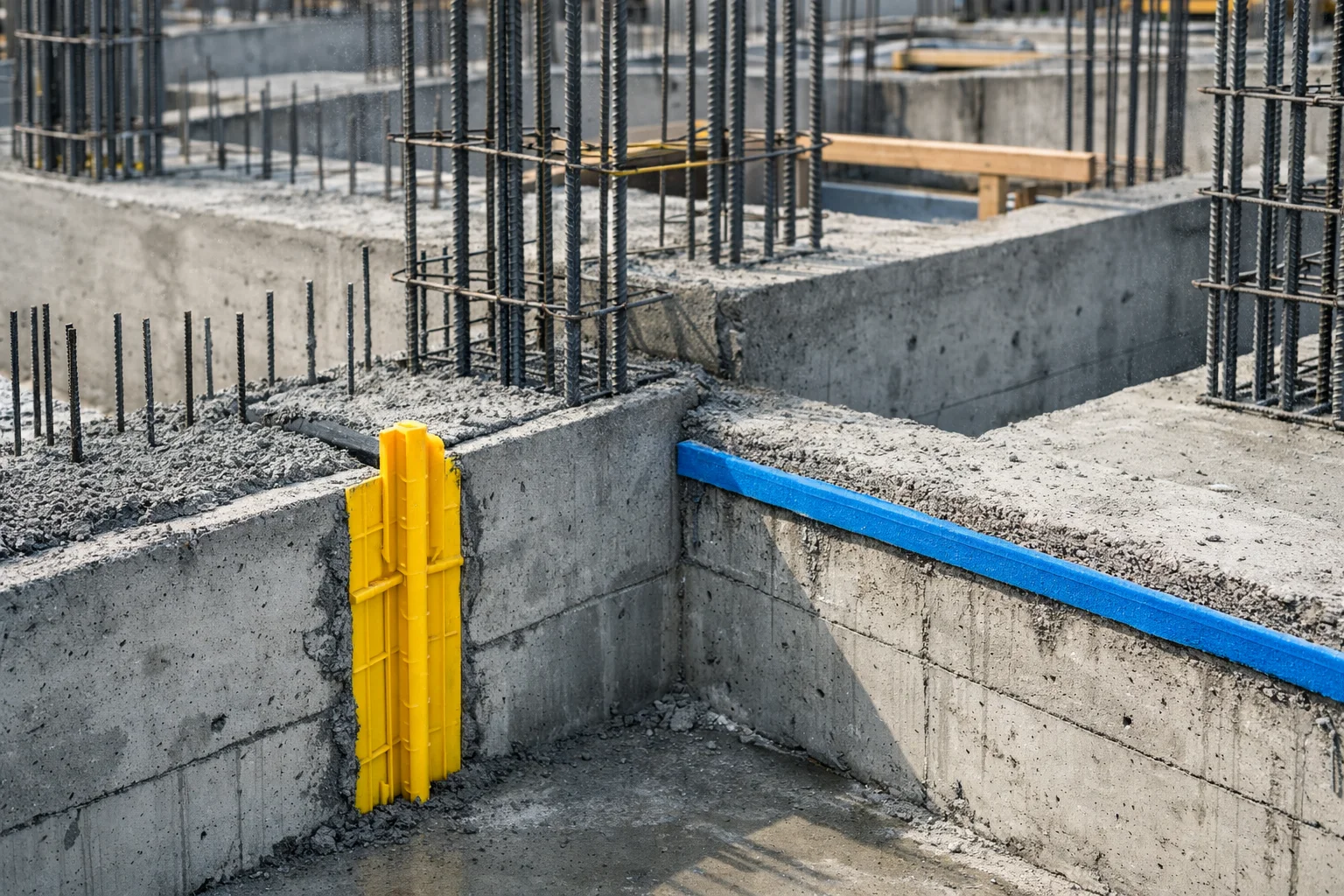

Water is one of the biggest threats to buildings. Whether it enters through cracks, pores, joints, or surface damage, moisture can weaken concrete, cause corrosion, reduce structural strength, and create long term maintenance issues. This is why waterproofing is a critical part of construction, especially in areas exposed to continuous moisture such as basements, bathrooms, water tanks, terraces, podiums, retaining walls, and foundations.
Among different waterproofing solutions, cement waterproofing stands out as one of the most trusted and widely used methods for protecting concrete structures. Cement based waterproof coatings deliver durability, strong adhesion, breathability, and excellent hydrostatic resistance, making them ideal for both new construction and renovation projects.
This blog offers a complete understanding of cement waterproofing, how it works, its benefits, applications, and why it remains a preferred waterproofing solution in modern construction.
What Is Cement Waterproofing?
Cement waterproofing refers to the use of cement based coatings, slurries, and modified compounds to protect concrete and masonry surfaces from water penetration. These coatings rely on Portland cement, polymers, and carefully selected additives to create a durable and waterproof barrier that bonds strongly to the substrate.
Cement waterproofing is commonly used for:
- Basements and foundations
- Water tanks and reservoirs
- Swimming pools
- Bathrooms and wet areas
- Retaining walls
- Terraces and podium slabs
- Tunnels and below ground structures
Because cement is compatible with concrete, cementitious waterproofing becomes an integral part of the structure, offering long lasting performance.
How Does Cement Waterproofing Work?
Cement waterproofing systems typically work by:
1. Penetrating the Pores
Cementitious coatings penetrate into surface pores and capillaries, blocking water movement.
2. Forming a Crystalline Structure
Some advanced systems form insoluble crystals that fill voids and restrict water passage.
3. Creating a Protective Barrier
Modified cement coats create a continuous waterproof layer that resists hydrostatic pressure.
4. Bonding Chemically to Concrete
The cement in the coating bonds with the cement in the substrate, resulting in excellent adhesion.
5. Allowing Moisture Vapor to Escape
Cement waterproofing allows breathability while preventing liquid water from entering.
This combination delivers reliable waterproofing performance for internal and external applications.
Types of Cement Waterproofing Systems
There are several types of cement based waterproofing systems used in modern construction. These include:
1. Two Component Polymer Modified Cementitious Coatings
These coatings come with a powder component and a liquid polymer. Mixing both yields a flexible, high performance waterproof layer.
Used for:
- Water tanks
- Swimming pools
- Bathrooms
- Roof slabs
Benefits:
- Higher flexibility
- Crack bridging ability
- Strong adhesion
2. Single Component Cementitious Coatings
These are dry powders that only require water addition.
Used for:
- Basements
- Retaining walls
- Foundations
Benefits:
- Easy application
- Economical
- Strong surface bonding
3. Crystalline Waterproofing
These systems use proprietary chemicals that react with moisture to form crystals that block pores.
Used for:
- Underground structures
- Water retaining structures
Benefits:
- Self healing capability
- Deep penetration
4. Cement Based Fairing Coats
Often used as surface smoothening layers before applying waterproof coatings.
Applications of Cement Waterproofing in Construction
Cement waterproofing is an essential part of many construction projects.
1. Basements and Foundations
Below ground structures require strong waterproofing to resist soil moisture and hydrostatic pressure. Cement based coatings are ideal due to high adhesion and durability.
2. Water Tanks and Reservoirs
Cement waterproofing is safe for potable water and offers crack resistance and long term stability.
3. Bathrooms and Wet Areas
These areas face continuous moisture exposure. Flexible cement based coatings prevent leakage and tile delamination.
4. Retaining Walls
Retaining walls are constantly exposed to soil moisture. Cement coatings form a protective waterproof layer that prevents water seepage.
5. Swimming Pools
A high strength, flexible cement coating ensures water tightness before tile installation.
6. Roofs and Terraces
While liquid membranes or bituminous systems are also used, cementitious waterproofing can act as a durable base layer or additional protection layer.
Advantages of Cement Waterproofing
Cement based waterproofing systems offer several key benefits.
1. Excellent Adhesion to Concrete
Cement coatings bond strongly to concrete, becoming part of the substrate.
2. Breathability
Allows moisture vapor to escape while blocking liquid water.
3. High Durability
Resistant to harsh weather, wet conditions, and environmental exposure.
4. Easy to Apply
Can be applied with a brush, roller, or spray machine.
5. Cost Effective
These systems are economical compared to many high end waterproofing products.
6. Suitable for Internal and External Surfaces
Cement coatings perform well in both exposed and concealed locations.
7. Safe for Potable Water
Ideal for tanks and water reservoirs.
8. Crack Bridging Ability
Polymer modified versions offer flexibility that helps bridge micro cracks.
Limitations of Cement Waterproofing
Although effective, cement waterproofing has some limitations:
- Not suitable for areas with heavy structural movement
- Requires proper curing
- Some systems are not UV resistant when left exposed
- Waterproofing performance depends on correct mixing and application
These limitations can be addressed by choosing high quality systems and proper surface preparation.
Cement Waterproofing vs Other Waterproofing Systems
Understanding how cement waterproofing compares to other systems helps identify the right solution.
Cement Waterproofing vs Bituminous Membranes
- Bitumen provides strong UV stability for exposed areas
- Cement coatings are better for internal wet areas and tanks
Cement Waterproofing vs Polyurethane Coatings
- PU provides higher flexibility
- Cement coatings offer excellent adhesion and compatibility with concrete
Cement Waterproofing vs Acrylic Coatings
- Acrylics are good for roofs
- Cementitious products are stronger under hydrostatic pressure
No single system is superior in all cases. Each has specific advantages depending on the application.
Why Cement Waterproofing Is Still the Industry Standard
Cement based waterproofing remains widely used because it offers reliable performance at an affordable cost. Contractors, consultants, and engineers trust cement waterproofing for its compatibility with concrete and its long history of proven effectiveness.
Moreover, polymer modified cementitious coatings have improved flexibility and crack resistance, making them even more durable and versatile.
Royal Industries and Cement Waterproofing Systems
Royal Industries offers high performance cementitious waterproofing solutions engineered to deliver long term protection and strong adhesion.
Some typical features of Royal Industries cement coatings include:
- Superior bonding strength
- Polymer modification for flexibility
- Resistant to hydrostatic pressure
- Easy application
- Suitable for water retaining structures
- Long life durability
Royal Industries products are used in residential, commercial, and industrial projects across diverse climates.
Installation and Application Process
Proper installation is essential for achieving long term waterproofing performance.
1. Surface Preparation
- Remove dust, oil, laitance
- Repair cracks with repair mortars
- Saturate the surface with water but avoid standing water
2. Mixing
Follow manufacturer instructions carefully for correct proportions.
3. Application
Two coats are usually recommended. Each coat must be applied at right thickness and direction.
4. Curing
Proper curing ensures strong bonding and crack resistance.
5. Protection Layer
In some areas, protective plaster or tile finish is required.
How Cement Waterproofing Supports Sustainable Construction
Cement waterproofing contributes to sustainability by:
- Extending the service life of buildings
- Reducing concrete repair requirements
- Lowering lifecycle maintenance costs
- Minimizing material wastage
Since cement waterproofing creates durable and long lasting structures, it supports greener building practices.
Conclusion
Cement waterproofing is one of the most dependable solutions for protecting concrete structures from moisture, leaks, and long term damage. With excellent bonding, durability, and cost efficiency, cement based waterproof coatings continue to be a preferred choice for basements, tanks, roofs, bathrooms, retaining walls, and many other areas.
As construction technology evolves, polymer modified cementitious coatings offer even better performance, crack resistance, and flexibility. With trusted systems from brands like Royal Industries, cement waterproofing remains an essential and reliable part of modern building design.
